Cooking with herbs
Two ways to cook with mint
Start mint in a window with room for a separate pot, with bright indirect light. Try two additions on the same size bite. Compare when you notice the flavor and whether you want to save a fresh leaf for serving.
- Light
- Bright indirect light
- Suggested spot
- A window with room for a separate pot
- Type
- Soft-leaved herbs
On this page
Two recipes you can make
Lemon and mint water
1 glass, about 250 mL
Ingredients
- 250 mL chilled water
- 4 mint leaves
- 2 thin lemon slices
Method
- Rinse the lemon and mint. Drain the mint and pat it lightly between your palms, keeping the leaves mostly intact.
- Place two lemon slices and the mint in a glass, then pour in the chilled water.
- Stir once and taste. For a stronger mint flavor, lightly pat and add another fresh leaf.
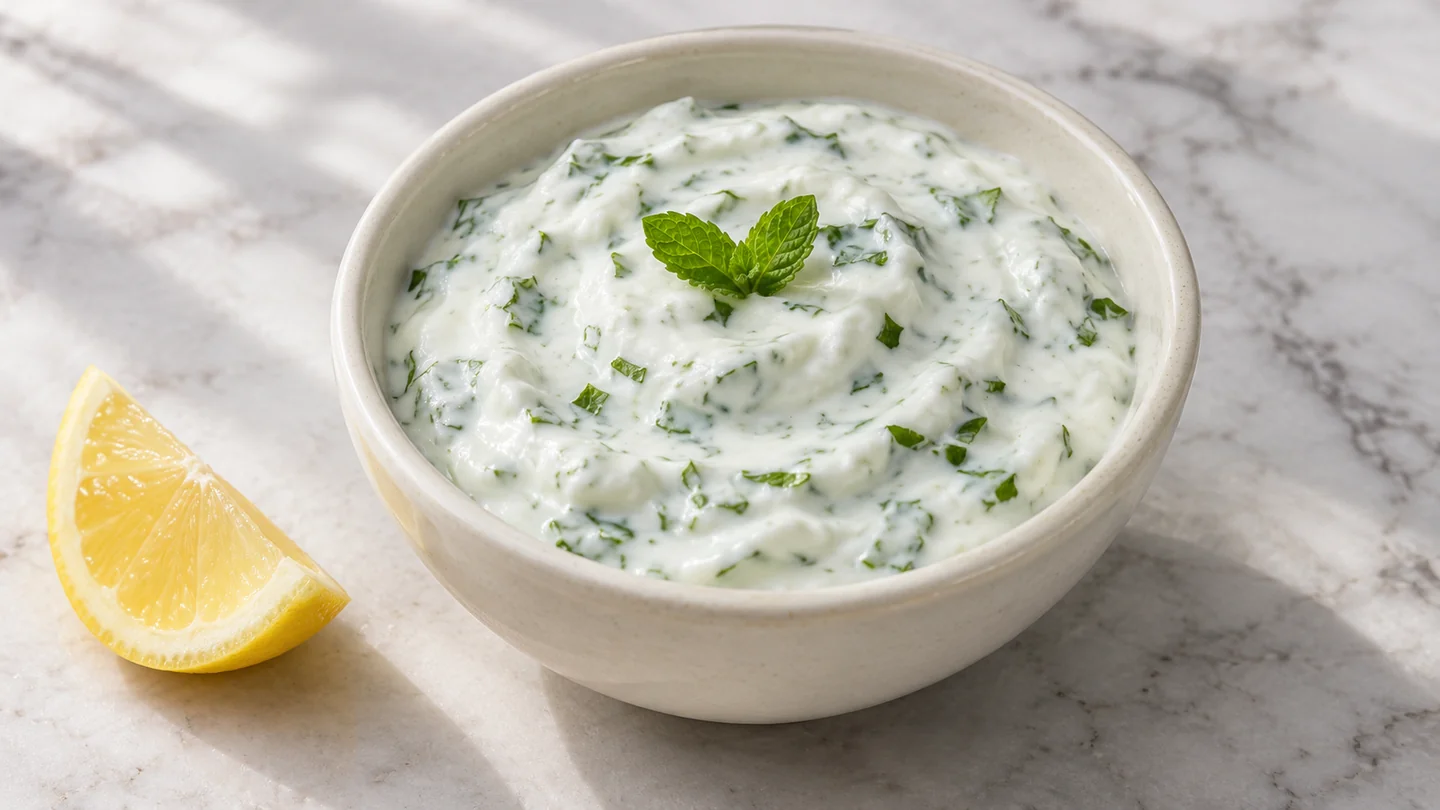
Mint yogurt dip
About 100 g of dip
Ingredients
- 100 g plain unsweetened yogurt
- 4 mint leaves
- 5 mL lemon juice
Method
- Rinse the mint under running water and drain well. Finely chop three leaves and reserve the fourth for tasting.
- Stir the yogurt smooth, then mix in the chopped mint and lemon juice.
- Taste with a clean spoon. If you want more mint, chop and add the last leaf. Serve straightaway or refrigerate until needed.
Work with this herb
Lemon and mint water
Clap four mint leaves lightly and add them to 250 mL of chilled water with sliced lemon. Pat the leaves lightly to release their fragrance and avoid prolonged stirring.
Mint yogurt dip
Stir four chopped mint leaves and a squeeze of lemon into 100 g of plain yogurt. Taste a small portion before seasoning the rest.
Care for the plant and use it in the kitchen
Plan a harvest of mint around two dishes
Keep spreading roots in a separate pot and avoid leaving the mix dry for long periods. Cut tender tips in batches and leave some healthy growth in the center. If you plan to use mint for lemon and mint water, check that the branch or clump will still have healthy foliage before clipping.
Take a small first portion and leave room to repeat the dish after the plant has recovered. Put the harvest date and the dish on the pot label. That lets you judge how much you can reasonably pick for mint yogurt dip later, and how well the actual window position supports your cooking.
If the plant is still too small, keep the second dish on the menu and supply the herb separately.
Run a small tasting comparison
For a first test with mint, set aside a small portion of the suggested dish and keep a plain bite for comparison. Tearing leaves, chopping them or infusing a whole sprig can change how quickly its aroma reaches the dish. Use the handling method suited to this herb.
Change one variable at a time, such as a smaller and a larger addition after turning off the heat. For a salad, adjust the main dressing before adding the herb. For a warm dish, divide an already cooked portion into two plates and compare.
Note the amount and when you added it, so your next batch can start near a balance you liked.
Grow for two kinds of dish
Choose two destinations for mint, such as a cold dish and a hot one, or a main course and a simple condiment. Start with a dish you already know. Notice whether the herb is clear in the first bite or mainly in the finish, and use that to pick when it goes into the next dish.
If a pinch is hard to repeat, count leaves, sprigs or a spoon you already use. Keep a little fresh herb back as an optional finish and taste before adding it. When cooking for others, offer the additional leaves separately so each person can adjust the flavor in their own bowl.
Pick for a single meal
Use clean shears and start with healthy growth. Take only a small amount for the dish at hand. Look for the center of a clump, a node or a new side shoot before cutting so you can keep enough growing points intact.
If a recipe uses young stems, check their stage before selecting them. Remove damaged parts, rinse the usable leaves or stems under running water, then drain them. Let the surface water run off before chopping, especially for a sauce where extra water would dilute the dressing.
At the next meal, check new shoots at the previous cut and use that progress to decide how much you can pick again.
Plan the harvest around meals
Start with identity and use
Check the label when you shop for mint. Confirm that it is sold for culinary use and find out whether you will use the leaves, young stems or older sprigs. Pick a dish you already make and use it to work out where the pot and clean shears will fit.
Similar-looking varieties can taste different and work differently in a recipe. If a label is unclear, check with the grower before eating anything from the pot. Keep the tag and write down the date you brought it home.
When you have more than one new herb, try each in a familiar dish first before experimenting with an unfamiliar pairing.
Observe the kitchen window
Start with a window with room for a separate pot and check where daylight reaches the foliage in the morning, at midday and later in the day. A window frame, vent hood or taller pot can cast shade on one side. Choose a location clear of stove heat, and keep enough space to reach both the mix and the leaves.
When two pots share the sill, test the positions with the expected width of mature stems in mind. Confirm that you can lift a draining inner pot or slide a saucer out without knocking its neighbor. If growth eventually leans strongly toward the window, compare it with an earlier photo before you change several parts of the setup.
Keep a watering and picking record
Check both the surface and a little below it before watering mint. Watch whether water reaches the whole root ball or runs quickly out along one side. Empty water from the saucer once it drains.
A side that stays wet may warrant checking the pot holes, how level the container is and the air around the window. Water use can change after harvesting many leaves, several cloudy days, or a change in potting mix. Note how the mix feels and the date.
Compare newer leaves with comparable leaves rather than with old stems. Where possible, space watering changes and pruning apart so you can tell which change helped.
Plan around unused sprigs
Let the plant's growth determine how much you harvest. If it is still small, take less and adjust the other seasonings. Refrigerate any unused fresh sprigs promptly in a clean container.
Before using them, rinse them under running water and drain them. Discard anything rotten, slimy or of uncertain identity. If you want to keep the herb longer, check whether the variety is suited to freezing or drying.
Try a small amount first so you can judge how the method changes the texture in the dishes you actually make.
Decide what to try next
If a dish tastes less aromatic than expected, check whether the herb was added too early and whether the last harvest left vigorous new leaves. When the flavor dominates, use less and add it in two stages next time. For bare stems, leaning growth or fewer new leaves, compare a photo from before the harvest with your moisture notes.
When deciding whether to add a new pot, choose an herb that suits both the light and the dishes you frequently make. Mark a favorite pairing on the back of the plant label. At your next shopping list, you can see whether the windowsill will supply the flavor you want.
Choose the pot and spot
Use a pot with drainage holes. Look for bright indirect light and keep leaves off the glass, where taller plants will not cast shade.
Check where daylight falls
Try a window with room for a separate pot and watch shadows from cupboards and other pots. Drain the saucer after watering.
Harvest in stages
Remove damaged leaves, rinse under running water and drain.
What to try next time
Compare mint in the two dishes
Put two bites of lemon and mint water on similar plates. Leave one plain and add a little mint to the other. Note the difference in leaves or stem pieces so you can repeat it.
Try the same measured amount in mint yogurt dip and decide whether the aroma stays clear or whether you would use less. If you also want to compare an early and a late addition, keep the other seasonings steady and change only the timing. Write down which sample you preferred along with the amount you used.
That gives you a starting quantity for the next harvest and a reason to change it.
Make a note for the next kitchen shop
On the label for mint, record its type (Soft-leaved herbs), the actual light at home and a dish in which you used it. Before shopping again, look at the new growth and decide whether the dish needs what you can pick. Keep any bought herb identified separately from what you grew.
Rinse what you plan to use and choose a small first quantity rather than mixing every leaf into the whole dish. If the pot needs time to recover, use a suitable purchased culinary herb while keeping the rest of the menu. Note whether the result would change your next planting decision.
Sources
University of Minnesota Extension · Growing herbs at home · U.S. FDA · Washing and storing fresh produce